
Why Chickens Take Dust Naps: Strange but Normal Flock Habits
Oct 28, 2025 • Behavior • 6 minute read
If you’ve ever walked outside and found one of your chickens lying on its side, eyes half-closed, legs stretched out, you may have panicked—only to discover your bird was simply taking a dust nap. While this behavior looks strange or even alarming to new chicken owners, it’s a completely natural part of flock life. In this article, we explore why chickens take these dramatic-looking naps, what they signal about flock health, and how you can support this instinctive behavior.
What Exactly Is a Dust Nap?
A dust nap is a relaxed, sprawled-out resting pose chickens take after—or during—a dust bath. Instead of sitting upright like normal rest, they lie on their sides or backs, stretch their wings, and sometimes appear motionless for minutes at a time.
Many keepers confuse dust naps with signs of illness or distress, but the behavior is actually a sign of comfort and security.
Dust naps often take place in warm, sunny spots or in dry soil where a chicken feels completely safe.

Why Do Chickens Take Dust Naps?
One of the main reasons chickens take dust naps is to regulate body temperature. Lying flat exposes more surface area to sun or shade, helping birds warm up or cool down depending on conditions.
Dust naps also help loosen dirt, dried oils, and parasites after a vigorous dust bath. As chickens stretch out, loose dust settles deeper between feathers.
Most importantly, dust naps show that a chicken feels safe. Birds only nap in vulnerable positions when their surroundings feel calm and familiar.
A Social Habit That Strengthens the Flock
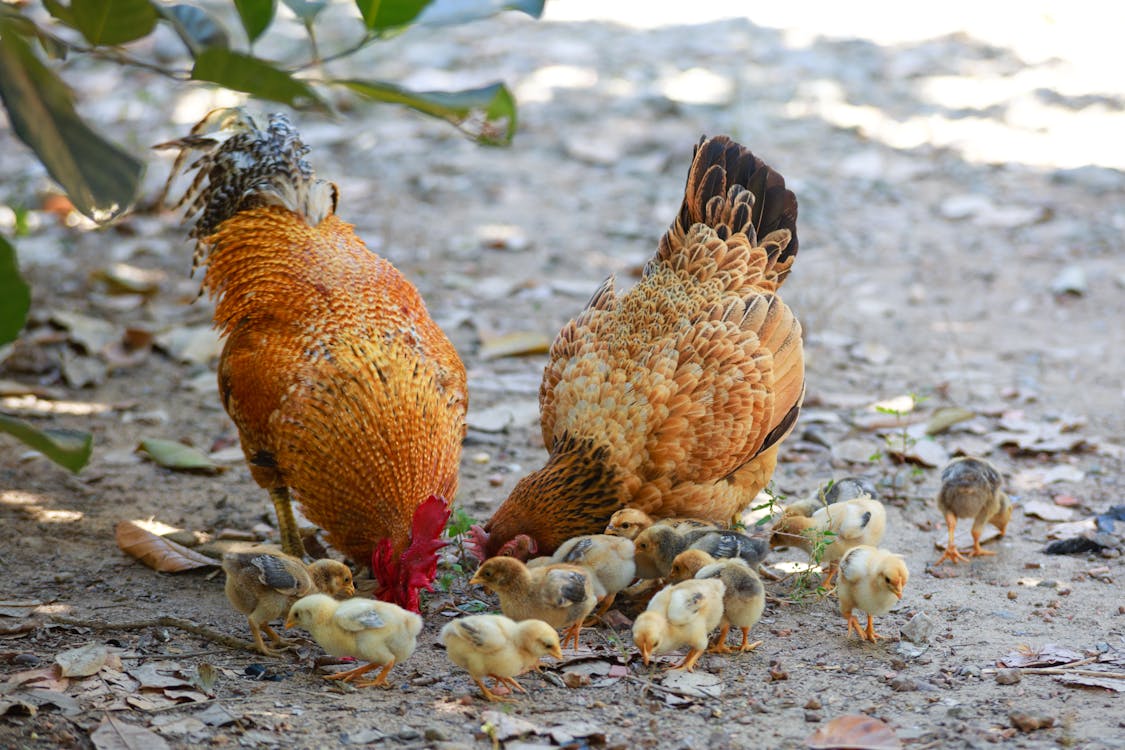
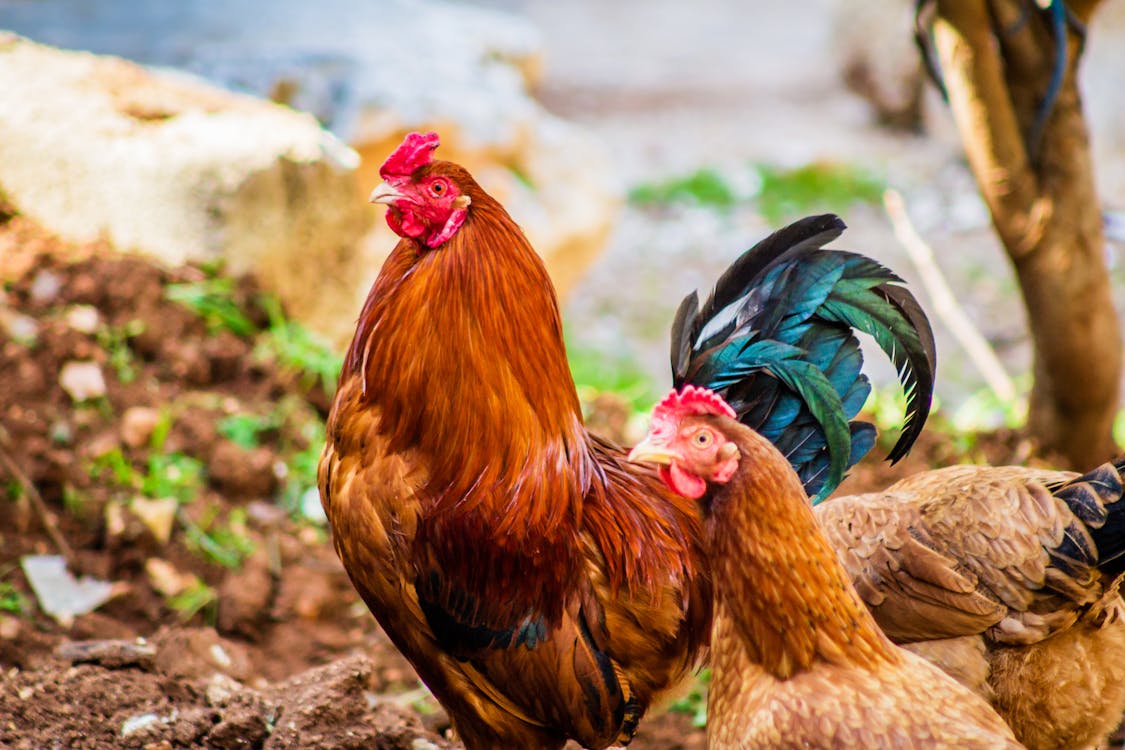
Chickens often dust bathe and dust nap in groups, turning the behavior into a social activity that reinforces flock bonds.
Birds mimic each other—once one chicken settles into a nap, others may follow, creating a relaxed group resting session.
These shared moments help reduce tension within the flock and contribute to overall emotional balance.

How to Tell a Normal Dust Nap from a Problem
While dust naps look dramatic, healthy napping chickens wake up quickly when approached or startled.
If a bird remains unresponsive, breathes heavily, or isolates itself away from the flock for long periods, it may be showing signs of heat stress or illness rather than relaxation.
Observing context—weather, flock behavior, and the bird’s posture—helps distinguish normal relaxation from something that needs attention.
How to Encourage Safe and Comfortable Dust Naps
Provide dry, loose soil or sand areas where chickens can dust bathe and rest comfortably. These zones should be shaded during hot seasons and well-drained after rain.
Avoid disturbing chickens while they nap. Interrupting them repeatedly may make birds feel unsafe and reduce flock relaxation habits.
Keeping the coop and run predator-proof ensures chickens feel secure enough to rest fully without instinctively staying alert.
A calm environment encourages natural behaviors that support both physical and mental health.

Conclusion: A Quirky Behavior That Shows Your Flock Feels Safe
Dust naps may look strange, but they are one of the clearest signs that your chickens feel relaxed and comfortable in their environment.
By providing safe, dry spaces and reducing stressors, you support this natural habit and help your flock thrive both physically and socially.