
Read expert guides about chicken behavior, care, free-ranging, feeding, and breed lifestyle insights.

If you’ve ever watched chickens roll, wiggle, or fluff themselves in dry dirt, you’ve seen dust bathing—a natural behavior essential to their well-being. Though it may look playful or messy, dust bathing plays a critical role in keeping chickens clean, comfortable, and stress-free. In this article, we explore why chickens dust bathe, what benefits it provides, and how you can create the ideal setup for your flock.

Foraging is one of the most natural and important behaviors in chickens. Whether they have access to a large yard or a small enclosed run, chickens feel their best when they can scratch, peck, and explore. In this article, we dive into the instincts behind foraging, the benefits it brings to flock health, and practical ways to enrich their environment.

Chicken eye color is more than just a visual feature—it can reveal age, breed traits, health status, and even behavioral tendencies. From bright, fiery tones to softer, muted shades, each hue has meaning. In this article, we explore what different eye colors indicate and how you can use them to better understand and identify your chickens.

Telling roosters and hens apart can be simple in some breeds and surprisingly difficult in others. While classic traits like comb size, feather shape, and crowing can help, breed genetics play a major role in how early and how clearly these differences appear. In this guide, we break down the key signs to look for across both common and tricky breeds to help you confidently identify the sex of your chickens.

The Plymouth Rock is one of the most iconic and dependable chicken breeds in backyard flocks across the world. Known for their calm personality, strong foraging instincts, and year-round egg production, these birds are both beginner-friendly and rewarding to keep. In this article, we explore what makes the Plymouth Rock a standout choice for small farms and home coops.

Chickens may seem simple at first glance, but their cognitive abilities are far more advanced than many people realize. Research shows that chickens can recognize individual faces—both human and flock members—with surprising accuracy. This article explores how chicken memory works, why facial recognition matters in flock life, and how this knowledge can strengthen your relationship with your birds.

Wyandottes are one of the most popular dual-purpose chicken breeds in the world, admired for their productive nature and striking lace-patterned plumage. Whether you’re a beginner or an experienced poultry keeper, Wyandottes offer a perfect balance of beauty, resilience, and reliable egg-laying performance. In this article, we explore their history, appearance, personality, and the essential care tips you need to know.

Wyandottes are hardy, adaptable chickens known for their friendly temperaments and reliable egg-laying. But even the strongest breeds are vulnerable to parasites if flock management isn’t consistent. External pests like mites and lice, along with internal threats such as worms, can affect your Wyandottes’ health, energy levels, and egg production. In this article, we explore how to prevent common parasites in backyard Wyandottes and keep your flock thriving year-round.

Molting is a natural part of a chicken’s life cycle, but for new keepers, it can be surprising or even alarming. Feathers may fall out rapidly, egg production drops, and your once-fluffy flock might look patchy or stressed. Molting is essential for feather renewal and long-term health, but chickens need extra care during this period. This article explains what molting is, how to recognize it, and the best ways to support your birds through the process.

Not all eggs are created equal. Some have thick, strong shells while others crack with the slightest pressure. But what causes these differences? From genetics to nutrition and environmental factors, several elements influence shell strength. In this article, we break down the science behind egg quality and how you can support your hens in laying healthier eggs.

Every chicken you know today—from backyard layers to decorative show breeds—can trace its lineage back to a wild bird that roams the forests of South and Southeast Asia: the Red Jungle Fowl. This remarkable species is the foundation of all domestic chickens, and understanding it gives insight into why modern chickens behave, look, and sound the way they do. In this article, we explore the origins, traits, and evolutionary journey of the Jungle Fowl and how it shaped the chickens we keep today.

Chickens may be a global species today, but their journey across continents took thousands of years. Originating in Southeast Asia, these birds gradually spread through trade, exploration, and cultural exchange. This article walks you through the timeline of how chickens expanded from their wild ancestors in Asia to become one of the world’s most widespread domesticated animals.

Feathered feet are one of the most unique and eye-catching traits in the chicken world. From Brahmas to Silkies, certain breeds proudly display fluffy leg and foot feathers — but what actually causes this? The answer lies deep in genetics. In this article, we break down the genes responsible, how they are inherited, and why this trait evolved in some breeds but not others.

Sex-linked chickens have become a powerful tool in poultry breeding, allowing keepers to reliably predict key traits in newly hatched chicks. Through carefully matched parent pairings, breeders can determine a chick’s sex, feathering rate, or coloration from the moment it hatches—long before traditional methods would reveal these details. In this article, we explore how sex-linked genetics work and why they are so valuable to both backyard breeders and commercial operations.

Predators are one of the biggest threats to backyard chickens, especially at night. Whether you live in a rural area or a suburban neighborhood, animals like foxes, raccoons, hawks, and even neighborhood dogs can put your flock at risk. Building a predator-proof coop doesn’t have to be complicated—just strategic. This beginner-friendly guide walks you through the essentials of designing a secure, safe environment for your chickens.

Introducing new chickens to an established flock can be tricky. Chickens are territorial, and disruptions to the pecking order can lead to stress or conflict. But with the right approach, you can integrate new birds smoothly and safely. In this guide, we walk through proven methods to help your flock accept newcomers with minimal tension.

Bantam chickens may be small, but they're full of personality and variety. Whether you're identifying a bird from a photo or comparing breeds in your own flock, knowing the differences between bantams and standard-size chickens can be incredibly helpful. This article breaks down the key traits that set bantams apart from their larger counterparts.

Some chickens are naturally calm and easygoing, while others act like they own every corner of the coop. Territorial behavior is common in flocks and can range from mild pecking to intense guarding of food, perches, or nesting boxes. Understanding why certain birds defend space more fiercely can help you manage flock harmony and prevent unnecessary stress.

If you’ve ever walked outside and found one of your chickens lying on its side, eyes half-closed, legs stretched out, you may have panicked—only to discover your bird was simply taking a dust nap. While this behavior looks strange or even alarming to new chicken owners, it’s a completely natural part of flock life. In this article, we explore why chickens take these dramatic-looking naps, what they signal about flock health, and how you can support this instinctive behavior.
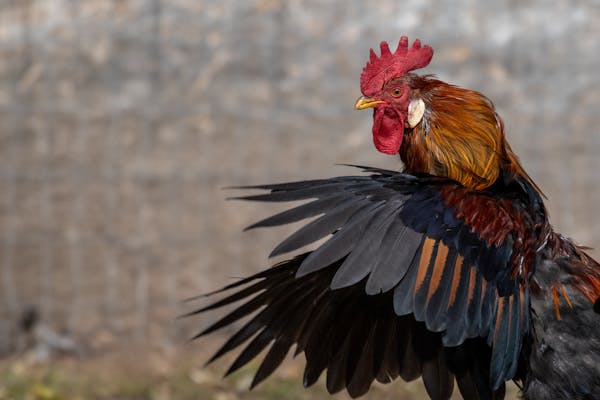
Genetics play a powerful role in determining how a chicken looks and behaves. Whether you're a breeder or a curious chicken owner, understanding dominant and recessive traits can help you predict what offspring may look like and how certain traits are passed down through generations. In this article, we explain the difference between dominant and recessive traits and how they show up in common chicken breeds.

Chicken owners often wonder whether a bird’s feather color has anything to do with how it behaves. Are black chickens bolder? Are white ones calmer? These questions are more than folklore. In this article, we explore the science and breeder insights behind the connection between chicken color and temperament.

Not everyone has acres of land to raise chickens, but even a small backyard can become a productive and rewarding space for a few hens. The key is choosing the right breeds—those that are calm, compact, and adaptable to urban life. In this guide, we highlight some of the best chicken breeds for small spaces, along with tips on keeping them happy and healthy in close quarters.

Chickens are often underestimated when it comes to intelligence. Many people see them as farm animals with simple minds, but recent studies and observations suggest otherwise. In this article, we explore the hidden cognitive abilities of chickens and why they might be smarter than you think.

Chickens may seem simple at first glance, but their social structures are anything but. Every flock has a clear hierarchy, commonly known as the pecking order. This natural system affects everything from food access to nesting rights. In this article, we explain what the pecking order is, how it forms, and what you can do to manage it in your flock.

Leghorns are one of the most recognized and productive chicken breeds in the world. Known for their sleek white feathers, upright tails, and unmatched egg-laying ability, these birds are often called white egg machines for good reason. But there is more to Leghorns than just output. In this article, we explore what makes Leghorns special, from their heritage and behavior to care needs and advantages.
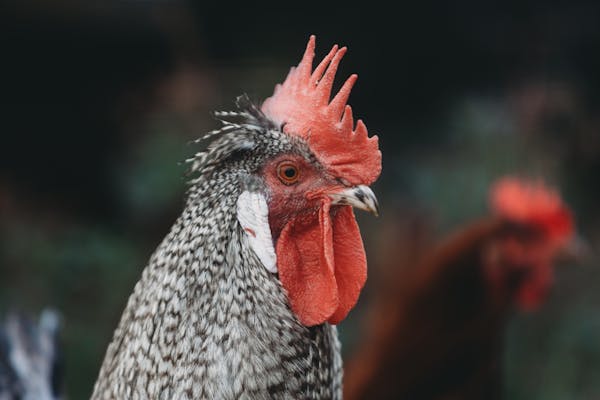
Chickens are surprisingly expressive animals. From soft clucks to loud crows, they use a wide range of vocalizations to communicate with each other and with you. Understanding these sounds can help you respond to their needs, spot signs of stress, and even predict behavior. In this article, we break down common chicken vocalizations and what they really mean.
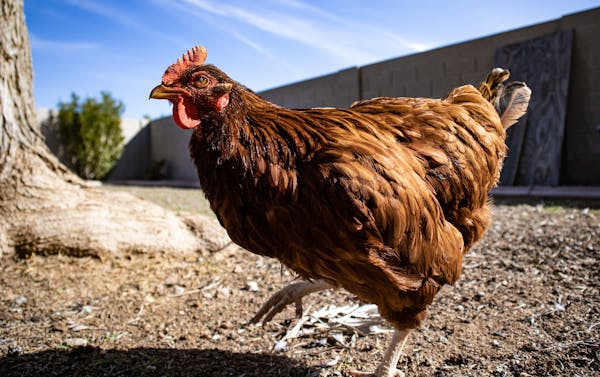
Caring for chickens goes beyond feeding and cleaning. Recognizing signs of illness early can make a huge difference in recovery and flock safety. Chickens often hide symptoms until they are serious, so knowing what to watch for is essential. In this article, we cover the most common warning signs and explain what they might mean.

Chickens are one of the most widespread animals on the planet today, but their path from wild jungle birds to backyard companions is a long and fascinating one. In this article, we take a quick journey through time to explore how chickens were first domesticated and how they spread across the world.
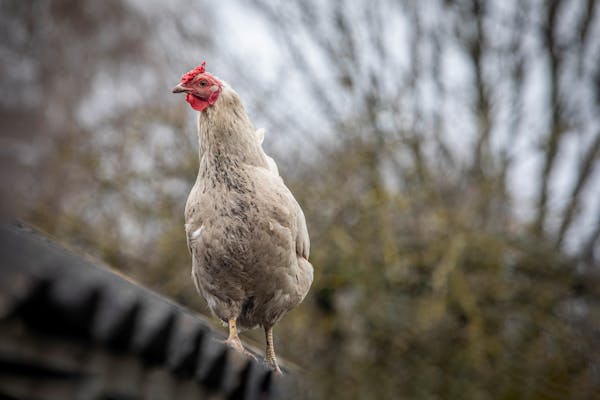
Raising chickens in your backyard can be a rewarding experience, but it comes with rules. Depending on where you live, there may be laws about how many chickens you can keep, whether you need a permit, or if roosters are allowed. In this article, we cover what you need to know before bringing chickens home.

Not all eggs are created equal. Some are white, others brown, and a few are shades of blue or even green. This variety often surprises new chicken keepers. In this article, we explore why chickens lay eggs in different colors, what it means, and which breeds produce which shades.

What your chickens eat has a direct impact on how they look and how well they lay. From vibrant feather shades to steady egg output, nutrition plays a key role in poultry health and appearance. In this article, we explore how different nutrients influence both feather condition and reproductive performance.

Silkie chickens are instantly recognizable thanks to their soft, fur-like feathers and gentle personalities. But beyond their appearance lies a fascinating genetic makeup that sets them apart from other breeds. In this article, we explore what makes Silkies so special—from their unique feather structure to their unusual skin color and more.
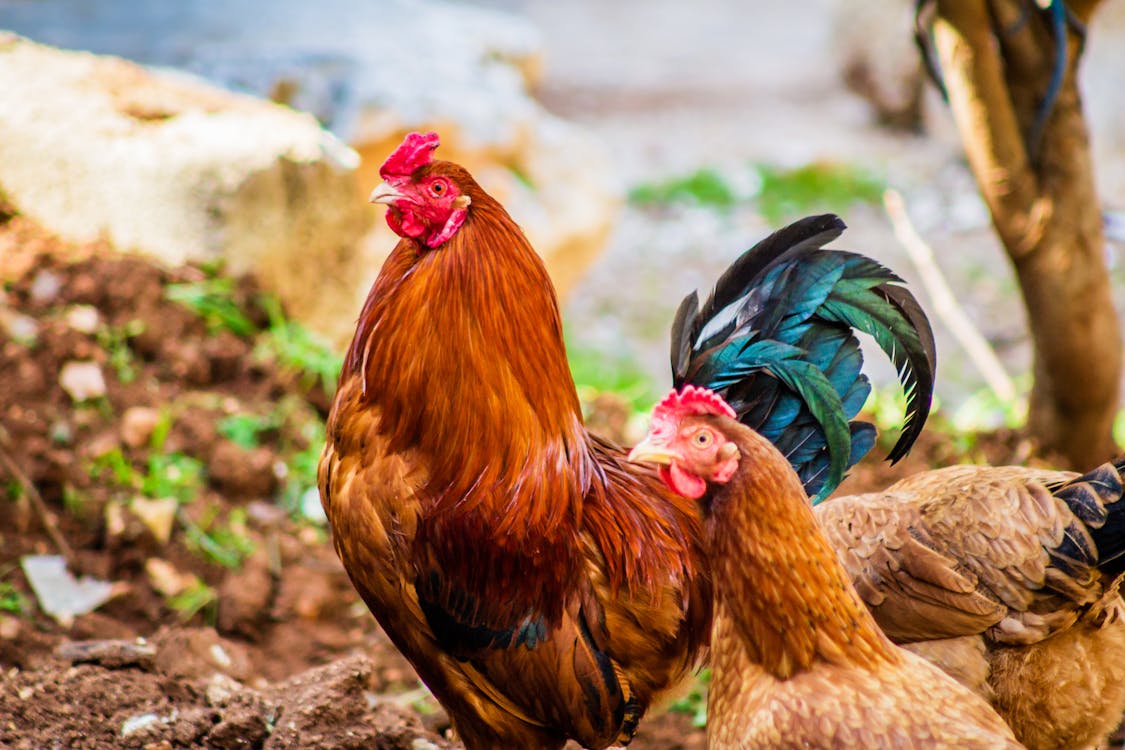
Feather color and pattern are often the first things people notice about chickens. Beyond aesthetics, these features provide valuable clues about a bird’s breed, genetics, and sometimes even behavior. In this article, we explore how feather patterns and colors vary across breeds and what they can reveal to both beginner and experienced chicken keepers.
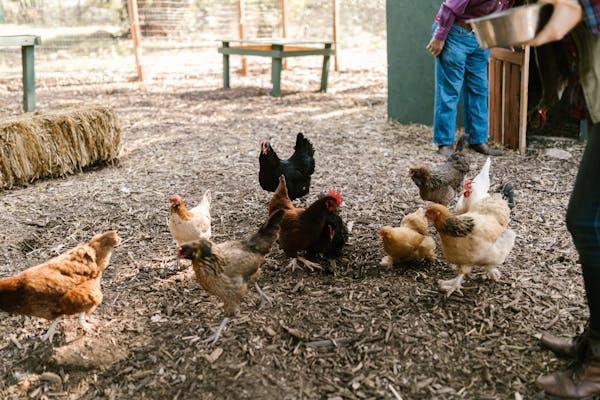
Starting your first flock is exciting, but it can also feel overwhelming without the right gear. Chickens are fairly low-maintenance animals, but they do need a few key supplies to stay healthy, safe, and productive. This beginner-friendly guide covers all the essential items you’ll need to get started with backyard chickens.

The Australorp is a beloved chicken breed known for its calm temperament and impressive egg-laying skills. Originating from Australia, this gentle giant has gained popularity among backyard keepers and small farms worldwide. In this article, we explore what makes the Australorp unique, from its heritage to its daily behavior.
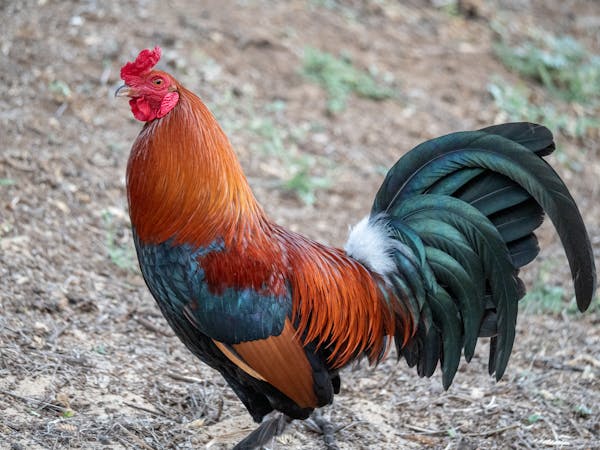
A chicken’s comb is one of its most recognizable features. While it may seem decorative, the shape and size of the comb are often tied to breed, genetics, and even health. Whether you are a backyard chicken keeper or a show breeder, understanding comb types can help you identify and care for your birds more accurately.
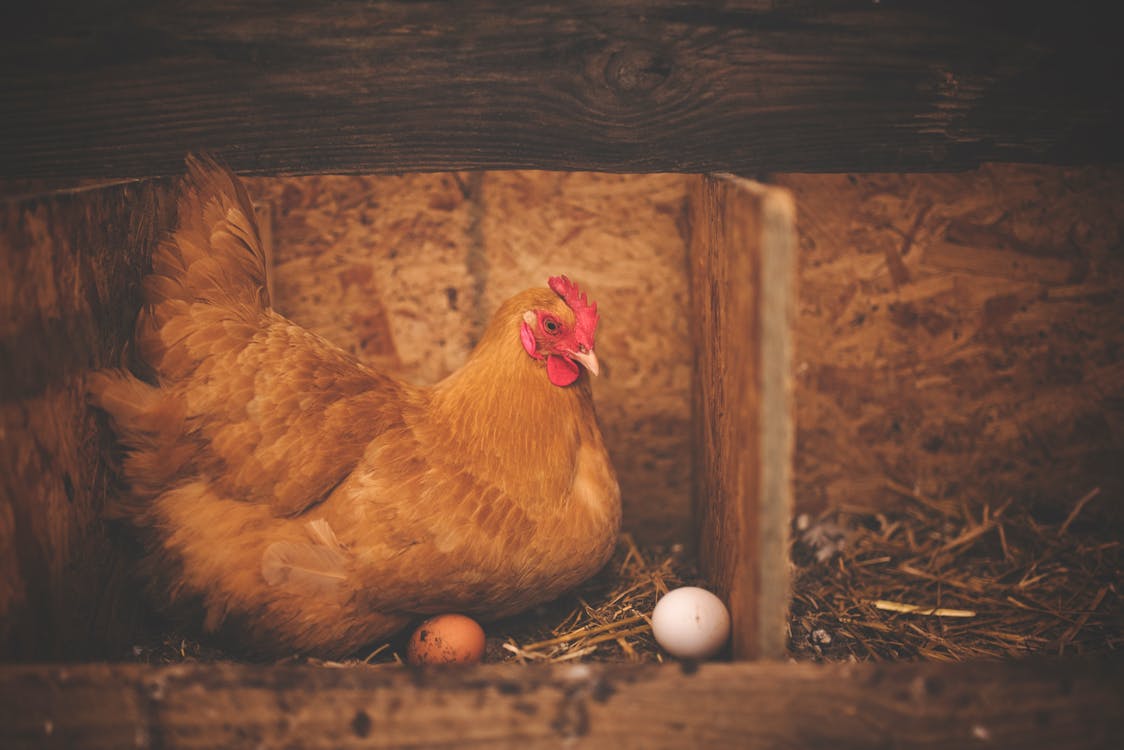
Identifying a chicken breed can be a rewarding experience for backyard keepers, hobbyists, or anyone curious about poultry. While some breeds have distinct characteristics, many look similar at first glance. This guide will walk you through the essential traits to look for when trying to determine the breed of a chicken.

When identifying a chicken breed, most people focus on feather color or comb shape—but leg color is another important clue. From yellow and slate to green and black, a chicken’s leg color goes deeper than appearance. In this article, we break down what leg color can tell you about breed, genetics, and even health.
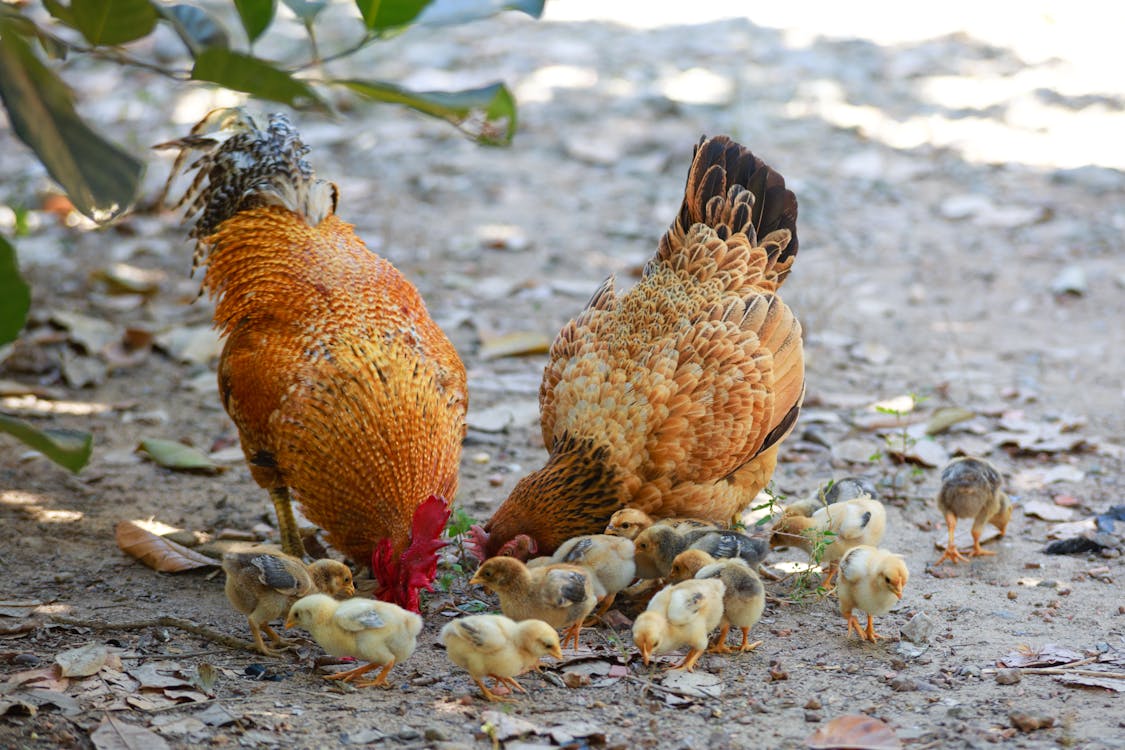
Chickens can adapt to many environments, but how they live greatly affects how they behave. Whether your flock roams freely across the yard or stays in a secure coop, their surroundings influence their activity levels, social habits, and stress responses. In this article, we explore the behavioral differences between free-ranging and coop-raised chickens and what to consider when choosing a lifestyle for your flock.

Egg yolk color varies from pale yellow to deep orange—and everything in between. These differences aren’t random; they reveal meaningful clues about a chicken’s diet, environment, and even genetic background. In this article, we break down what each yolk shade can indicate and how to interpret egg color with confidence.