
How to Identify Bantam Chickens vs. Standard Breeds
Nov 02, 2025 • Identification • 7 minute read
Bantam chickens may be small, but they're full of personality and variety. Whether you're identifying a bird from a photo or comparing breeds in your own flock, knowing the differences between bantams and standard-size chickens can be incredibly helpful. This article breaks down the key traits that set bantams apart from their larger counterparts.
What Makes a Chicken a Bantam?
Bantams are miniature chickens, typically one-third to one-half the size of their standard breed equivalents.
Some bantams are true bantams—breeds that exist only in bantam size, such as Silkies and Sebrights.
Others are miniature versions of larger breeds, like Bantam Orpingtons or Bantam Cochins, which retain the features of their standard counterparts but in a smaller package.

Size Differences: The Most Obvious Clue
Size is the easiest way to distinguish bantams from standard chickens. Bantams are noticeably smaller in height, body weight, and overall mass.
Standard breeds can weigh between 5–10 lbs (2.2–4.5 kg), while bantams often weigh only 1–2 lbs (0.45–0.9 kg).
Even without a size reference, bantams often appear more compact with tighter feathering and smaller frames.
Recognizable Physical Features
Bantams often have more delicate features, including smaller combs, wattles, and shorter legs compared to standard breeds.
Feather structure can also differ—breeds like Bantam Cochins have extremely fluffy feathers, while true bantams like Sebrights display glossy, tight feathering.
Wing size and proportion may give clues as well: bantams tend to have wings that look slightly oversized for their tiny bodies.

Behavioral Differences to Look For
Bantams are often more active, flighty, and curious than standard breeds. Their light weight makes them agile and quick to hop or fly short distances.
Standard breeds tend to be heavier and calmer, making them less likely to fly and easier to handle.
True bantam breeds may display unique behaviors, such as more vocal crowing or more social flock dynamics.
Breed Traits That Help With Identification
Many bantam breeds have defining characteristics—such as feathered legs, frizzled feathers, or unique comb shapes—that stand out even without size comparison.
Standard breeds also have strong identifiers, but their bantam versions often copy these traits exactly, making scale the deciding factor.
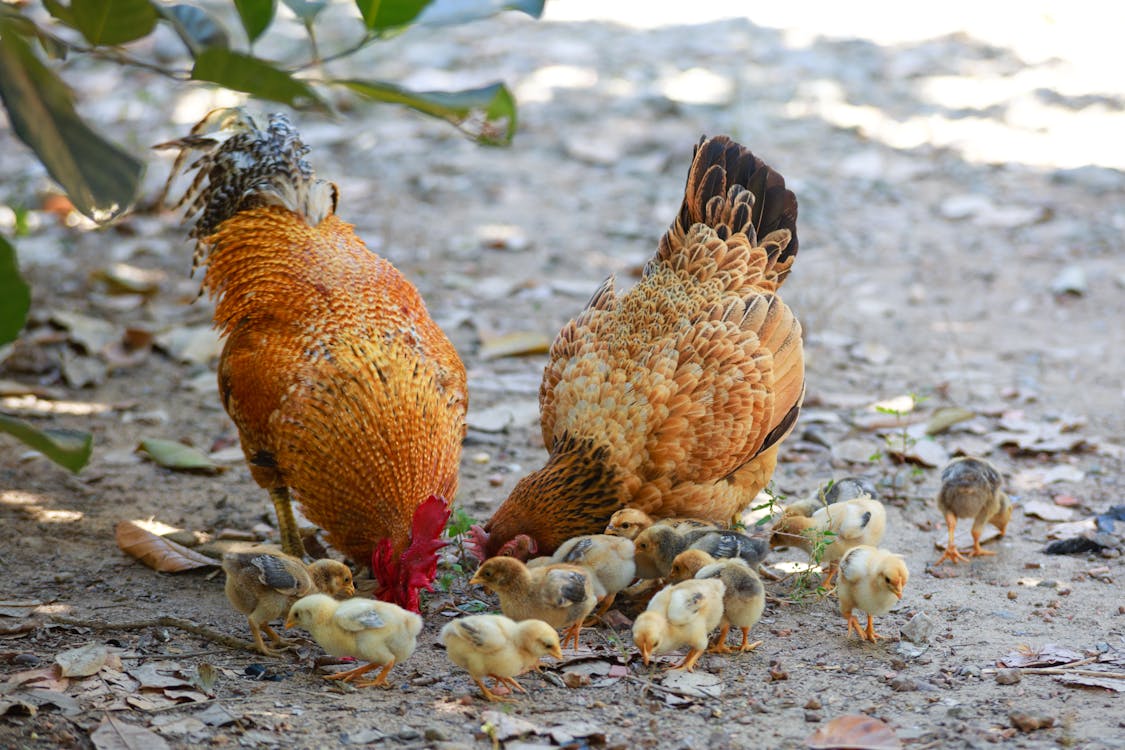
When identifying from a photo alone, look closely at foot feathering, body shape, comb style, and posture to narrow down whether the bird is bantam or standard.

Conclusion: Using Size and Traits Together
Identifying bantams versus standard breeds becomes easy once you know what to look for. Size is the strongest clue, but behavior, posture, and breed traits all help confirm your identification.
Whether you're learning for fun or trying to categorize chickens in your flock, understanding these differences makes you a more confident chicken keeper.