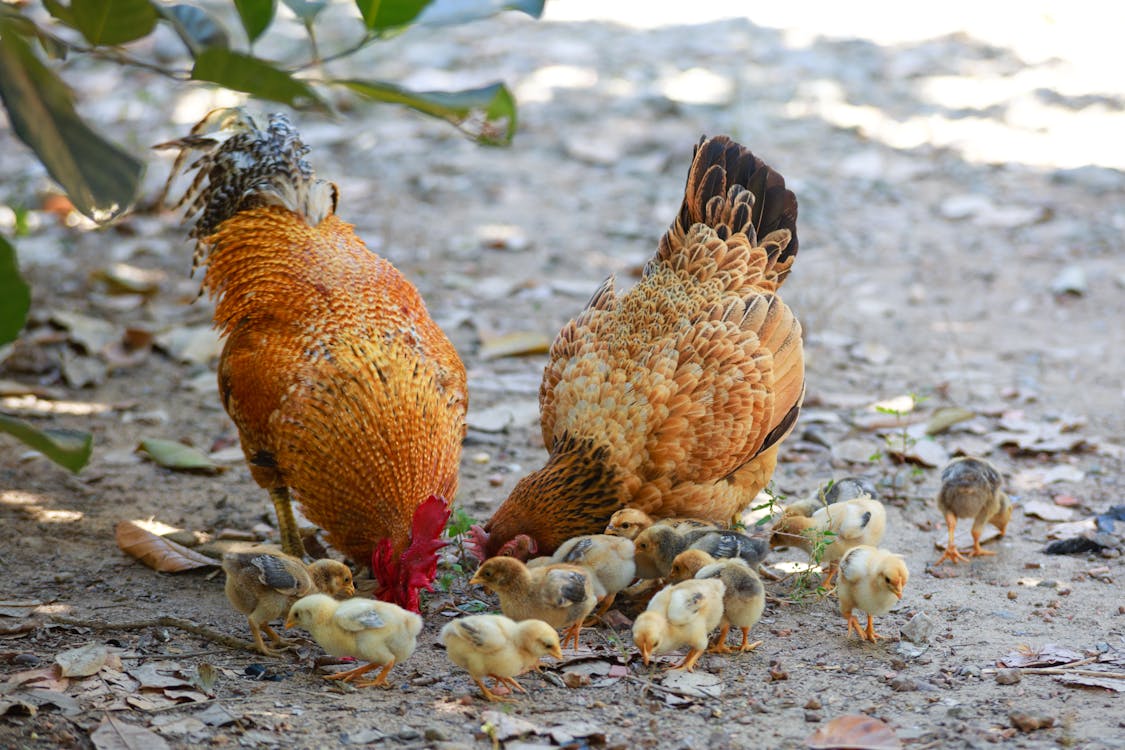

How to Introduce New Chickens to Your Flock Without Conflict
Nov 05, 2025 • Backyard Chickens • 7 minute read
Introducing new chickens to an established flock can be tricky. Chickens are territorial, and disruptions to the pecking order can lead to stress or conflict. But with the right approach, you can integrate new birds smoothly and safely. In this guide, we walk through proven methods to help your flock accept newcomers with minimal tension.
Why Introductions Require Care
Chickens operate within a clear social hierarchy, often referred to as the pecking order. Adding new flock members temporarily disrupts this system.
Without proper introduction, established birds may bully or injure newcomers as they defend territory or social rank.
Understanding how chickens communicate and behave helps you take steps that reduce aggression and stress during integration.

Start With a Quarantine Period
Before any introduction, keep new chickens separate for at least 2 weeks. This ensures they are healthy and prevents potential diseases from spreading.
Use this time to observe their behavior, check for parasites, and build their confidence before meeting the existing flock.
Use the ‘See but Don’t Touch’ Method
Place the new chickens in a secure enclosure where the existing flock can see them but not physically interact.
This gradual exposure allows both groups to get used to each other’s presence, reducing fear and territorial reactions.
After a few days, birds typically show less curiosity or aggression, making the next steps smoother.

Supervised Free-Range Time Together
Once the birds seem comfortable through the fence, begin short supervised sessions where they can interact in an open area.
Neutral territory—such as the yard or run—reduces defensive behavior and gives newcomers space to escape if needed.
Tips for Reducing Conflict During Integration
Provide multiple feeding and watering stations so older birds cannot guard resources.
Add extra perches, hiding spots, and visual barriers to give newcomers safety options.
Introduce birds during calm times of day, like late afternoon, to reduce energy levels and stress.
Expect some mild pecking—this is normal as the flock re-establishes a new hierarchy. Step in only if injuries occur.

Conclusion: Patience Leads to a Harmonious Flock
Introducing new chickens takes time, but careful planning makes the process smooth and safe for everyone.
With gradual exposure, supervision, and good flock management, your birds can form a comfortable and balanced social group.